Gochujang vs. Doenjang: Two Korean Pastes
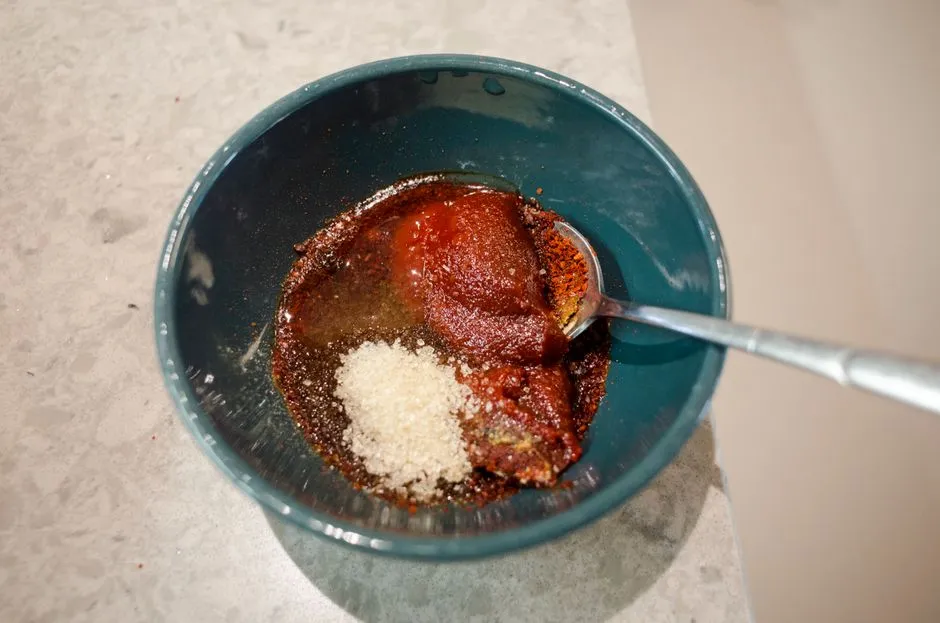
Gochujang is chili paste; doenjang is soybean paste
Gochujang and doenjang are Korean fermented pastes with different jobs. Gochujang combines chili, fermented grain or soybean components, sweetness, and salt into a red paste. Doenjang is a fermented soybean paste with a savory, earthy, often more assertive profile. One cannot replace the other without changing the dish.
Both vary by producer and household tradition. Read the ingredients before assuming flavor or allergens from color.
Use gochujang for heat, sweetness, and body
Gochujang appears in marinades, sauces, stews, dressings, rice dishes, and dipping mixtures. It is thick and concentrated, so recipes often loosen it with water, stock, vinegar, soy sauce, sesame oil, or another liquid.
Its heat level is not standardized. Taste a small amount and account for built-in sweetness and salt before adding more chili, sugar, or soy sauce.
Use doenjang for fermented savoriness
Doenjang seasons soups, stews, vegetables, dipping sauces, and marinades. It can bring pronounced soybean aroma, salt, and depth without the chili-red sweetness of gochujang.
Mash or dissolve it into liquid to prevent lumps. Some cooks strain coarse solids for a smoother soup; others keep the texture. Follow the regional recipe rather than assuming one presentation is correct.
Compare with miso carefully
Japanese miso can sometimes supply fermented soybean savoriness when doenjang is unavailable, but its sweetness, grain, texture, and aroma differ. The miso type guide helps choose a closer intensity.
Miso does not substitute for gochujang's chili and sweetness without additional ingredients. Likewise, adding chili to doenjang does not automatically recreate gochujang's fermented grain profile.
Know what doubanjiang changes
Chinese doubanjiang is another fermented bean paste, often involving broad beans and chili. It carries a different cuisine, salt profile, texture, and aroma. These pastes can all make food red-brown and savory; that is where the easy equivalence ends.
Use a purpose-made substitute or rebuild the missing functions one at a time.
Read allergen and grain labels
Both pastes commonly contain soy. Gochujang and doenjang may include wheat, barley, rice, alcohol, or other ingredients depending on the formula. Sesame can appear in prepared sauces. Check the complete label and cross-contact information for serious allergies or gluten-related needs.
Do not assume a restaurant's sauce contains only the ingredient named on the menu.
Store the tub as directed
Follow the package after opening, including refrigeration when stated. Use a clean dry utensil and keep food scraps out of the paste. Discard a tub with mold, a broken seal, swelling, gas, leakage, or an abnormal odor, and do not taste it. USDA guidance says not to use or taste food from leaking, bulging, spurting, or otherwise suspect containers in its shelf-stable food safety guide.
The opened-condiment guide helps date and organize tubs. Buy a size that matches your cooking frequency so an opened tub can be used while it remains within its label directions.
Prevent cross-contamination in marinades
Loosen thick paste with the recipe's liquid before adding food. Reserve any clean portion needed for serving before raw meat, poultry, seafood, or eggs enter. Do not return used marinade to the tub. The FDA advises never tasting marinade or using it on cooked foods unless it is boiled first in its food-tampering and preparation guidance.