Rice Vinegar vs. Black Vinegar: When to Use Each
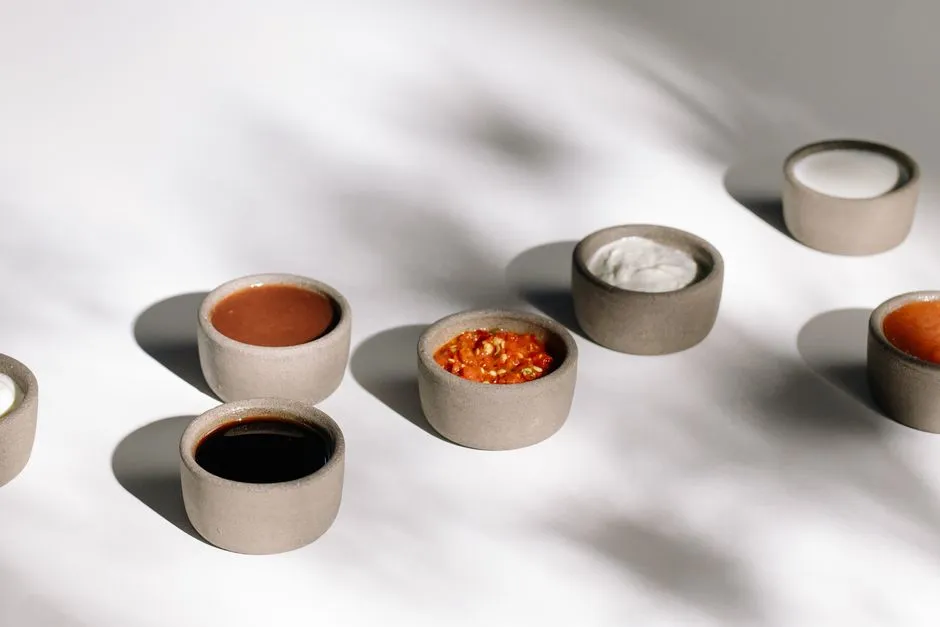
Rice vinegar and black vinegar play different roles
Unseasoned rice vinegar is usually pale, clean, and gently sharp. Chinese black vinegar is dark, aromatic, and often malty, earthy, smoky, or lightly sweet, depending on the grains and production. Use rice vinegar for bright acidity; use black vinegar when the vinegar's deeper flavor should be part of the dish.
They can substitute in an emergency, but the color and flavor change will be obvious. Treat the result as a deliberate adaptation and adjust the remaining seasoning.
Separate unseasoned and seasoned rice vinegar
Unseasoned rice vinegar provides acidity without built-in sugar and salt. Seasoned rice vinegar contains added seasoning and is commonly used for sushi rice or ready-to-use dressings. Labels vary.
If a recipe calls for unseasoned vinegar, seasoned vinegar can make it sweeter or saltier than intended. Reduce other sugar and salt only after comparing labels and tasting. For precise preservation recipes, do not improvise at all.
Understand black vinegar styles
Chinese black vinegars are made in different regions with different grains and methods. Zhenjiang or Chinkiang-style black vinegar is a widely recognized type, but even bottles carrying a similar English name can vary in sweetness, salt, aroma, and ingredients.
Read whether the product is a cooking vinegar, dipping vinegar, or seasoned sauce. Use it in dumpling dips, braises, noodles, dressings, and finishing sauces when dark aromatic acidity belongs in the flavor profile.
Compare them in one simple dip
Place one teaspoon of each vinegar in separate bowls with the same amount of light soy sauce. Taste with a plain cucumber slice or dumpling wrapper edge. Note sharpness, sweetness, color, grain aroma, and finish.
That test teaches more than memorizing “black is strong.” Some black vinegars taste rounder and less sharply acidic than pale rice vinegar even while carrying more aroma.
Substitute by function
For a bright dressing, another mild unseasoned vinegar may be closer to rice vinegar than black vinegar. For black vinegar, a blend of mild vinegar with a small amount of another dark savory or fruity ingredient can suggest complexity, but no mixture perfectly recreates a fermented product.
Shaoxing wine substitutes solve a different problem. Cooking wine is not vinegar, and swapping them confuses alcohol, acidity, and aroma.
Never improvise preservation acidity
For shelf-stable pickling, follow a tested recipe without changing its vinegar, food, or water proportions. The National Center for Home Food Preservation's quick-pickle guidance says to use vinegar labeled 5% acidity and provides process times adjusted for altitude. A taste-based substitution can change safety. Refrigerator pickles are not shelf-stable; follow a tested refrigerator recipe and keep them refrigerated.
Store each vinegar according to its label and keep the cap clean. Read the ingredient and allergen statement because black-vinegar formulas may include wheat or other grains. Add a bottle to the starter pantry only when planned recipes use it.
For everyday cooking, record each bottle's ingredients, sweetness, measured amount, and successful uses. Use that record to select the vinegar specified by the next recipe.