Tamari vs. Soy Sauce: Flavor and Gluten Labels
Tamari is related to soy sauce, not a universal synonym
Tamari and koikuchi soy sauce are related Japanese seasonings sold in varied commercial formulas. Their wheat content, other ingredients, allergen controls, and flavor differ by product. Tamari is not automatically gluten-free, and a style name is not a medical-suitability claim.
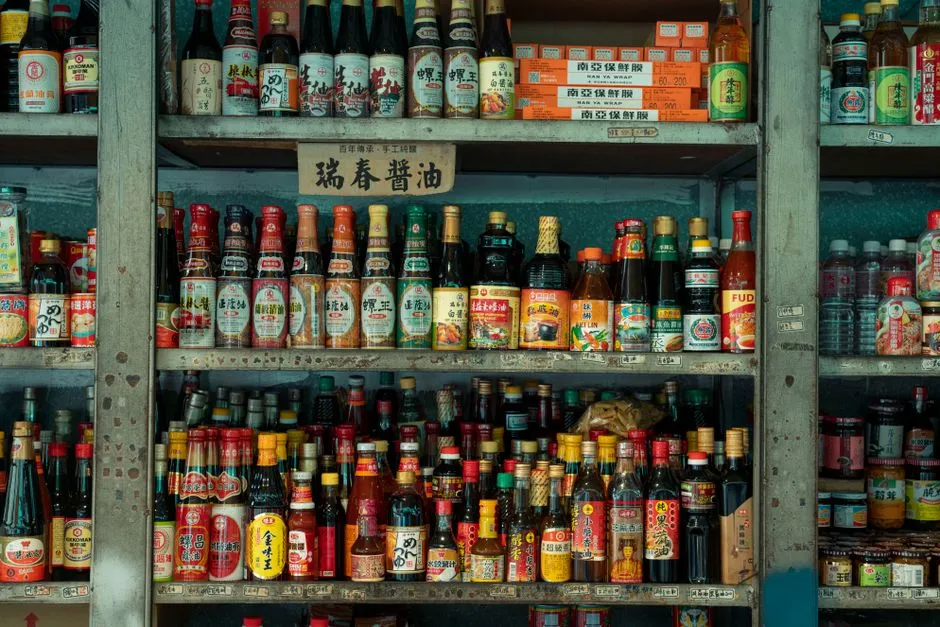
Check the exact label; the bottle shape does not establish its grain ingredients.
Compare flavor and texture
Tamari is often darker-looking and can feel fuller or less sharply aromatic than a general-purpose soy sauce. Product differences can be larger than category summaries. Use it for dipping, marinades, stir-fries, dressings, soups, and finishing where its profile fits.
Common soy sauce may taste brighter or more aromatic from its wheat component and fermentation. Chinese light soy, Japanese koikuchi, and other regional sauces are not one single comparison group. The soy sauce types guide maps those styles.
Substitute with salt control
Tamari and soy sauce can often replace each other in ordinary recipes, but compare saltiness and strength. Begin with less, especially in a dipping sauce. The color of a lighter dish may deepen.
If a recipe depends on a particular regional soy sauce, tamari changes the character. It can still be delicious; label it as an adaptation and adjust the rest of the seasoning.
Handle gluten claims precisely
Some tamari is labeled gluten-free; some contains wheat or faces cross-contact. Anyone with celiac disease, wheat allergy, or another medical need should select a product explicitly labeled to meet that requirement and follow advice from the appropriate clinician or registered dietitian.
Under the FDA rule, gluten-free is a defined voluntary claim covering wheat, barley, rye, their crossbreeds, qualifying ingredients, and unavoidable cross-contact. The agency's gluten-free labeling Q&A also warns that wording such as no gluten-containing ingredients does not by itself establish compliance. Read the exact label and apply the rule for your jurisdiction.
Check soy and other allergens
Both tamari and soy sauce contain soy in conventional formulas. Products may also contain alcohol, preservatives, sweeteners, or other ingredients. Restaurant sauces can blend multiple condiments, so asking for tamari does not guarantee the entire dish is gluten-free or allergen-safe.
Shared woks, fryers, utensils, marinades, and noodles can introduce other allergens.
Store and buy intentionally
Follow the post-opening label and use the sauce storage system to date the bottle. Protect it from contamination and keep the cap clean.
In a starter pantry, buy tamari if you prefer its flavor or need a specifically verified labeled option. Otherwise, the regional soy sauce your recipes call for may be more useful. Buy a second dark sauce only when it performs a distinct recurring job.
Run a side-by-side test on plain rice: equal measured drops of tamari and the regional soy sauce you normally use. Note salt, aroma, sweetness, color, and finish. Then choose deliberately for dipping or cooking. This small comparison is more useful than assuming the darker liquid is automatically stronger.