Tofu Types and Their Best Kitchen Uses
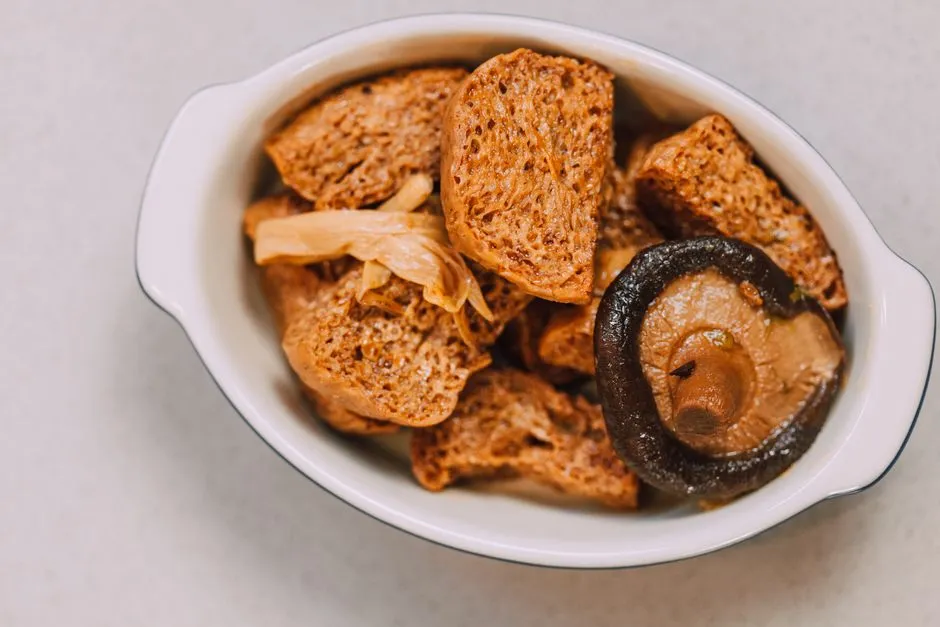
Tofu type determines how gently you cook it
Tofu ranges from silken and soft to medium, firm, extra-firm, pressed, dried, fried, frozen, and fermented forms. Choose by the texture the dish needs, then follow that package's preparation and storage directions. A silken block and an extra-firm block share soybeans but require different handling in a wok.
Names are not perfectly standardized across brands, so judge texture as well as label.
Silken tofu blends and settles softly
Silken tofu has a smooth custard-like structure. Use it in delicate soups, chilled dishes, sauces, desserts, dressings, or blended fillings. Remove it from the package gently and cut with a thin knife or spoon.
Pressing silken tofu usually crushes it. If a recipe wants smooth moisture, draining briefly may be enough.
Soft and medium tofu suit gentle cooking
Soft tofu works in stews, soups, steaming, and braises where pieces are supported by liquid. Medium tofu offers more structure while remaining tender. Slide pieces into the pan and stir around them rather than repeatedly flipping.
Exact names vary among Chinese, Japanese, Korean, and other traditions. Use the regional recipe's texture cues.
Firm and extra-firm tofu hold shape
Firm tofu works for stir-frying, pan-searing, baking, grilling, crumbling, and braising. Extra-firm contains less free water and can form sturdy cubes or slabs. Pressing can improve browning in some dishes, but it is not mandatory for every preparation.
Pat the surface dry before coating. The cornstarch and potato-starch guide compares crisp shells. Add starch immediately before cooking so it does not become a wet paste.
Prepared tofu needs its own method
Fried tofu puffs absorb broth and sauce. Pressed or dried tofu is chewy and sliceable. Freezing and thawing can create a porous texture, but use that technique only when the package permits it; thaw refrigerated tofu in the refrigerator or by another label-approved method, never on the counter. Fermented tofu is a concentrated seasoning, not a sautéing block.
Read whether the product is ready to eat or requires cooking. Packaging liquid, seasoning, and salt differ.
Handle soy and refrigeration safely
Tofu contains soy. Flavored or fried products can add wheat, sesame, peanuts, or other allergens. Verify labels and shared preparation for serious allergies, and follow guidance from the appropriate allergist or registered dietitian.
Keep refrigerated tofu cold, observe the use-by date, and follow instructions after opening. Store any unused portion in the manner the producer specifies and change water only if directed. Do not rely on a homemade universal number of days.
Discard tofu with an unusual sour odor, slime, swelling, gas, mold, or damaged packaging. Do not taste it. Shelf-stable aseptic tofu becomes perishable after opening according to its label.
Season according to the dish
Tofu absorbs surface sauces and braising liquid, and its own flavor remains part of the dish. Pair it with the correct soy sauce, fermented paste, aromatics, and cooking method. Use the opened-condiment guide for the supporting jars.
Use the tofu type the recipe expects, keep it refrigerated as labeled, and discard a package with swelling, leakage, mold, a broken seal, slime, or an abnormal odor. Do not taste questionable tofu.